
Pancreatic Cancer
Navigating Your Diagnosis
Pancreatic cancer originates in the pancreas’s cells, an organ located behind the stomach. The pancreas plays a crucial role in digestion and blood sugar regulation by producing enzymes and hormones, including insulin. Pancreatic cancer is characterized by its aggressive nature and is often diagnosed at an advanced stage, making treatment challenging.

Types Of Pancreatic Cancer

Exocrine Tumors
The majority of pancreatic cancers are exocrine tumors, originating from the cells that produce digestive enzymes. The most common type is pancreatic ductal adenocarcinoma.

Endocrine Tumors
These tumors, also known as pancreatic neuroendocrine tumors (PNETs), are less common and develop from the hormone-producing cells of the pancreas.

What you need to know
From recognizing the symptoms to diving into treatment options, here is what you need to know in order to stay informed about your health:
Prevention
Risk Factors
Smoking: Cigarette smoking is a significant risk factor for pancreatic cancer.
Family History: Individuals with a family history of pancreatic cancer or certain genetic syndromes (such as hereditary pancreatitis) may have an increased risk.
Chronic Pancreatitis: Long-term inflammation of the pancreas may elevate the risk.
Diabetes: People with long-standing diabetes may have a slightly higher risk.
Symptoms
Diagnosis
Treatment
Chemotherapy: Medications that kill or slow the growth of cancer cells. Chemotherapy may be used before or after surgery or as the primary treatment for advanced cases.
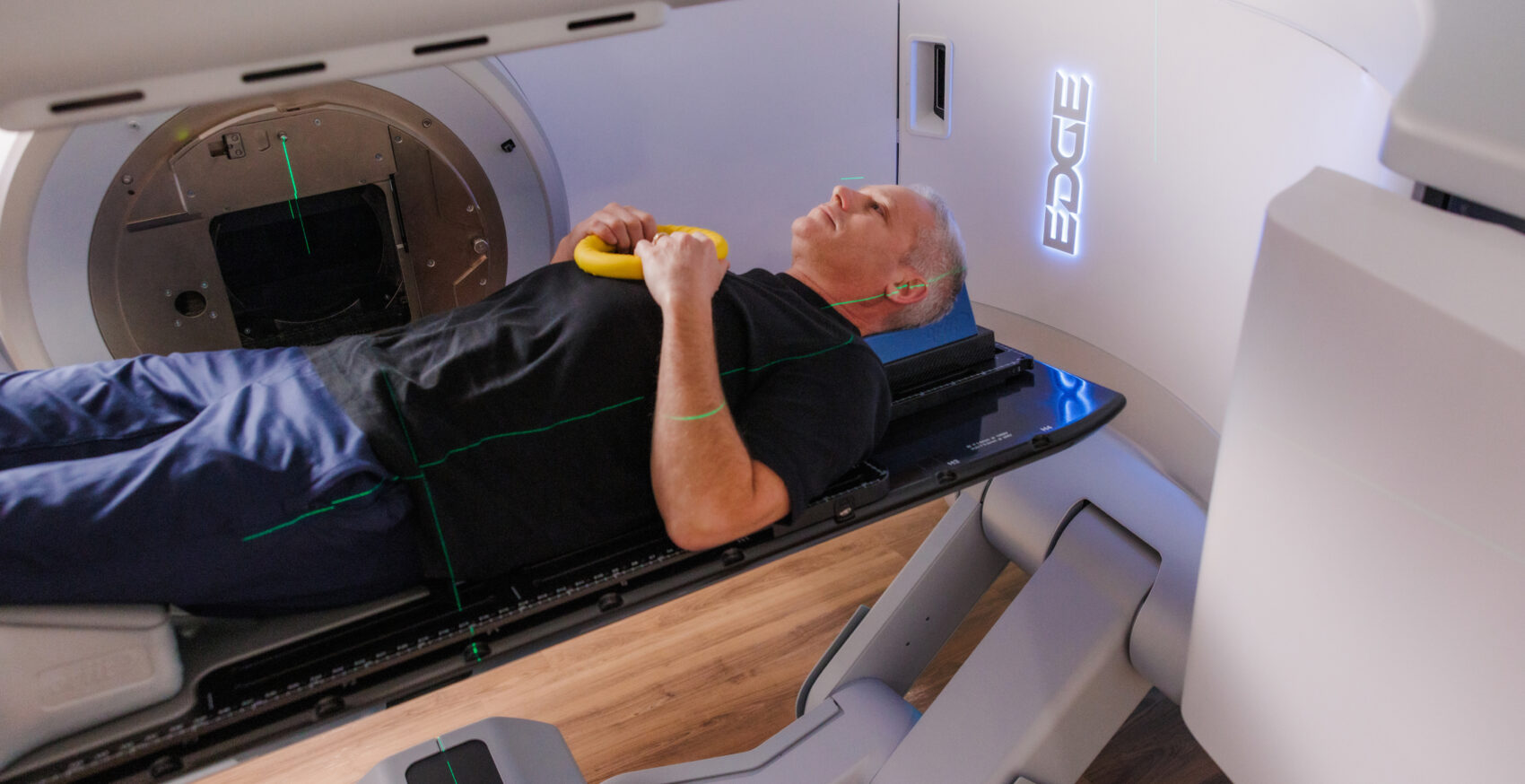
Radiation Therapy: High-energy rays are used to target and destroy cancer cells.
Targeted Therapy and Immunotherapy: Emerging treatments that target specific molecules involved in cancer growth or boost the body’s immune system.
Frequently Asked Questions
View All FAQ'sHow does pancreatic cancer start?
Answer:Pancreatic cancer begins when abnormal cells grow and divide uncontrollably.
How is pancreatic cancer diagnosed and staged?
Answer: Diagnosis involves testing to determine size and spread, which informs staging.
How does pancreatic cancer spread?
Answer: Cancer cells can travel through the bloodstream or lymphatic system to form new tumors.
What happens after pancreatic cancer treatment?
Answer: Post-treatment care varies. A survivorship plan can help guide ongoing care and recovery.