
Cancer & Radiation FAQs
Frequently Asked Questions
Cancer
How does cancer start?
Answer: All cancers begin when cells in the body grow and divide abnormally. Most cells die if they become abnormal, but some gene changes allow cells to survive and grow, allowing cancer to develop.
When should I test for cancer, and how often?
Answer: Routine checkups allow for appropriate screening for common cancers. If you have a family history of cancer, you may need earlier or more frequent screenings, as well as genetic testing to check for known genes that run through families. Schedule an appointment with us to determine a screening schedule that’s right for you.
How is cancer diagnosed, and when is it staged?
Answer: Cancer is typically diagnosed through a variety of tests to see how big it is and whether it has spread. Lower stages (like stage 1 or 2) mean the cancer has either not spread or has spread to lymph nodes or just outside the primary site (the place it started). A higher stage (like stage 3 or 4) signifies that it is more advanced.
Why does the type of cancer matter?
Answer: While all cancers involve uncontrolled cell growth, each type or subtype can behave in unique ways. Knowing the differences before starting treatment allows doctors to move forward with a plan that will work best for you. Schedule an appointment with us to discuss how your diagnosis can shape your care options.
How does cancer spread?
Answer: Cancer cells have the ability to grow quickly and break away from the original tumor, spreading through the bloodstream or the lymphatic system. While most of these cells eventually die, some continue to survive and form new tumors.
What happens after treatment, and how do I manage side effects?
Answer: Following treatment, ongoing care and side effects may vary from patient to patient. Schedule an appointment to explore a survivorship plan that is tailored to your personal needs.
What insurances do you accept?
Answer: Cancer Care Specialists accepts a wide range of insurance plans. If your plan is not listed or you have further questions, you can contact our office for further information.
What is the survival rate of cancer?
Answer: Survival rates for people with cancer can vary widely based on the type and stage. Contact your provider to discuss the intricacies of your specific diagnosis, what to expect, and next steps both during and following treatment.
Radiation
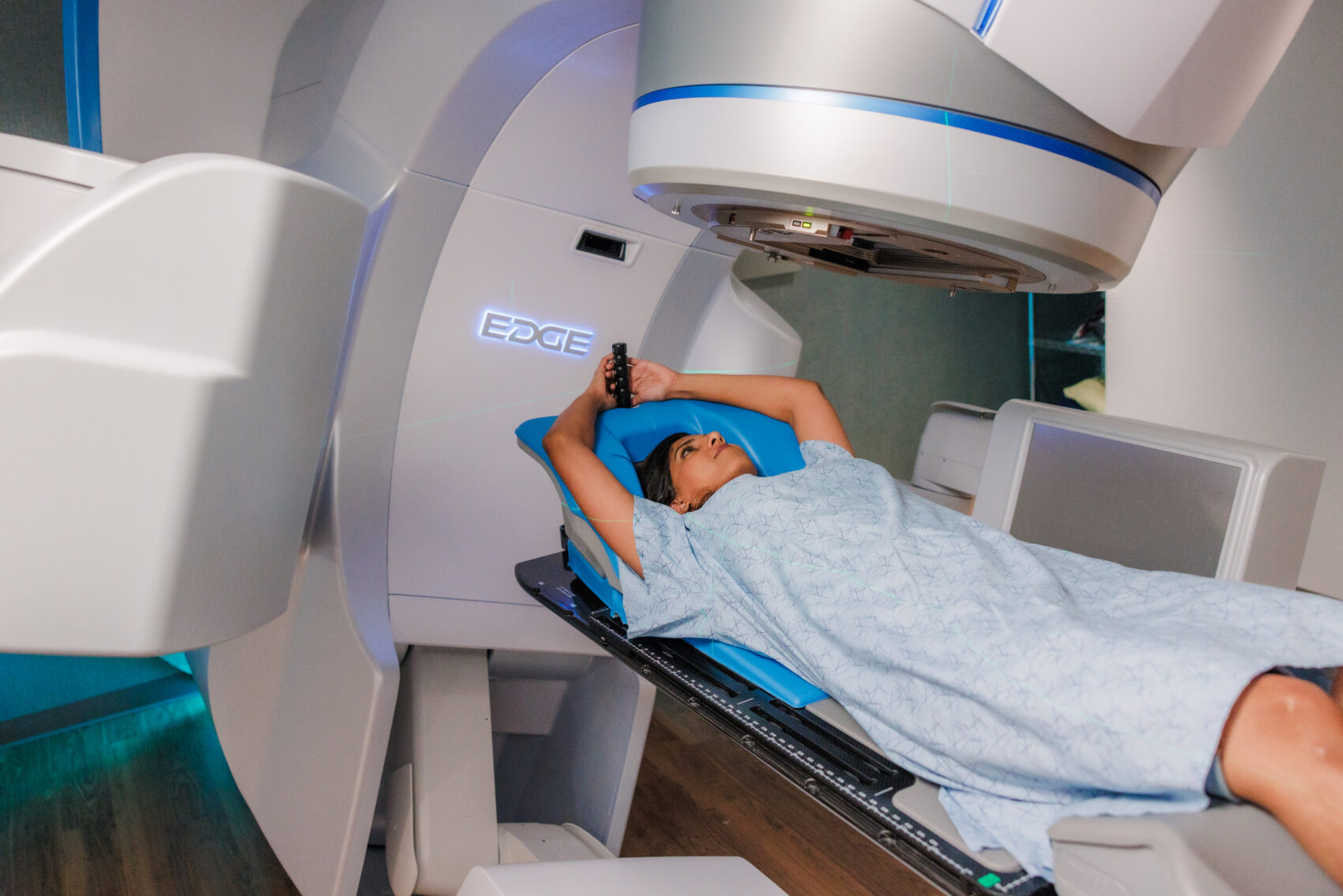
What is radiation therapy?
Answer: Radiation therapy, or radiotherapy, utilizes various forms of radiation to treat cancer and other diseases. Contact your care team to discuss the benefits of radiation therapy in your treatment plan.
What are the different kinds of radiation?
Answer: Depending on the location, size, and the type of cancer, your treatment may include external radiation, internal radiation, or a combination of both. Your care team will work with you to determine which option works best with your personal treatment plan.
What are the side effects?
Answer: Most patients are able to tolerate radiation therapy and continue their normal routines. If side effects occur, they typically develop gradually. Contact your care team to review potential side effects of radiation therapy and the methods in which to manage them.
Chemo FAQs
What should I bring for my treatment?
Answer: Here are some recommendations on what to bring:
– Comfortable clothing
– Reading material
– Electronics with headphones (Wi-Fi available)
– Blanket and/or pillow
– Snacks/drinks; Lunch (if your treatment is longer than 2 hours)
– Driver
What are some things I should consider before I start treatment?
Answer: Here are some of our recommendations:
– Eat a balanced meal on the day of your treatment
– Take regular scheduled medications on the day of treatment, unless the provider/nurse requests that you hold your medication
– It is recommended to have vaccinations completed at least 2 weeks prior to starting chemotherapy
– Before having any dental procedures or cleaning, please inform your dentist that you are on chemotherapy
– Review with your provider if you have high blood sugar and if it is being controlled with medicine
Are there any vitamins or supplements I should be taking?
A well-balanced diet and a daily multivitamin should be sufficient. It is not clinically recommended to take high doses of vitamins or minerals as it can be toxic or harmful and are counterproductive to chemotherapy and radiation treatment.
What are some other useful suggestions while undergoing chemotherapy?
– Discuss with your employer
– Clear your schedule
– Arrange for assistance with meals and child care
– Stock up on healthy groceries